

This is the third installment of a series I wrote a year, or more, ago on formalwear and dress codes. Part 1 is linked here, and Part 2 is linked here. I have added some information since the first publication on the subject of watches and dress codes.
Per the interest and request of a loyal reader, who has an interest in the rules of accessories and accessorising, I’m republishing the third and final installment of the series on formal dress.
As promised, after much research, here is a brief overview of accessories for formal dress.


The cravat originated in the 1600s as a unisex article of clothing. In its original form, the cravat was a plain white length of cloth. Wealthy people might have a little lace trim on theirs and theirs might be starched so that it held its shape. Otherwise, it was a piece of clothing worn by all classes. For men, it protected the neck from sword cuts. It served as a scarf and a bib for both men and women who found it more comfortable than the neck ruff which it replaced.

In the 1720s, women discarded the cravat as styles shifted and low necklines came into vogue. Over the eighteenth century, men's cravats became less and less utilitarian until they were the decorative confections of lace associated with ancien régime France.


In a formal setting, the cravat is paired with a wing collar, so of necessity it must stay outside the shirtfront. However, there are two ways to tie it under those circumstances.
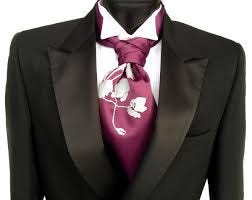
The ‘popular’ knot is a newer invention. It is basically a four--in-hand lounge tie knot used on a cravat. While the popular knot isn't incorrect per se, it isn't as formal as the traditional knot, which is basically a barrel knot. The traditional knot normally requires a tie pin to keep the two ends from separating. A traditional knot will also cause the ends to cover more of the shirtfront, which is in keeping with the cravat's origins as a bib.
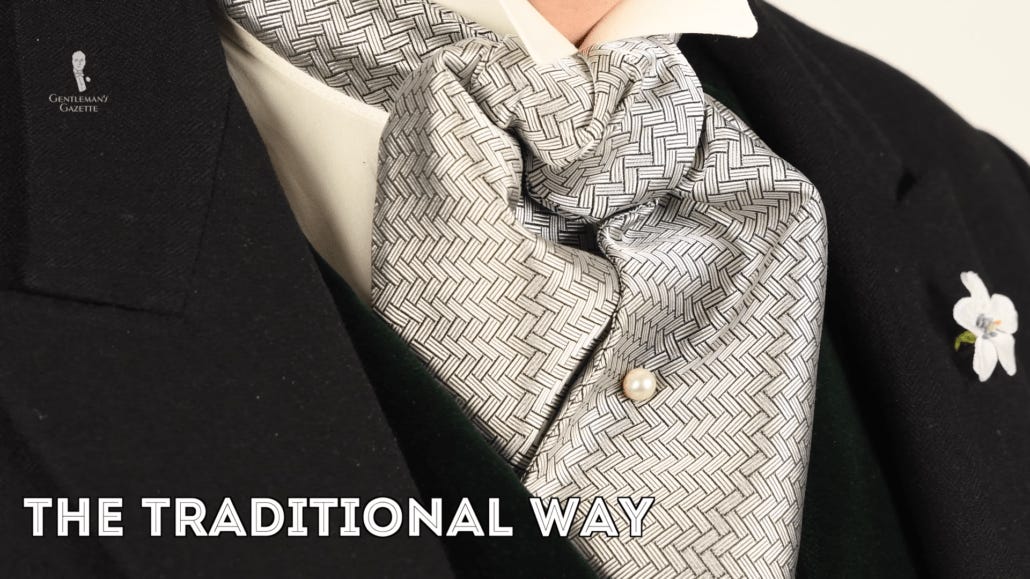
Cravats meant to be worn informally or with a popular knot tend to be made of 100% silk for comfort, while ones intended to be worn the traditional way will be made of a blend of silk and a stiffer fiber so that the tie holds its shape all day.


Cravats may be fastened with tie pins or tie tacks, never with a tie clip. Tie clips are for lounge ties, which by extension means they aren't for formal events. Tie clips are also rather nouveau riche as they date to the 1930s, when lounge ties began to be made of synthetic fibers that shredded if a hole was made in them. Therefore, they were associated with lower quality fabrics and clothing. Lounge ties are not appropriate to wear with formal dress, unless one is a servant. In the Victorian and Edwardian eras, upper servants would wear clothes modeled on those of their employers, so styling and pairing of accessories was an important way of providing immediate visual clues as to who was who.


Both men are wearing semi-formal day dress, the stroller suit. Most of them time in the series, color is a distinguishing characteristic as the servants wear black or dark green, the Crawley family's livery colors, but it would be perfectly correct for Robert Grantham to wear a black stroller suit if, for example, he was in mourning. He does (spoiler alert) in the third season when the family goes into mourning for the youngest daughter. So the true point of distinction is that the butler wears a lounge tie with his suit while the earl wears a cravat. What I tell people when I'm advising on production design or helping people dress for day time formal events is that formality and authority are inversely proportional to amount of visible shirtfront. That's not an actual sartorial rule, but it helps people understand the visual difference between the two.
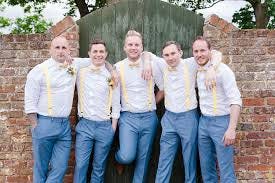
Do not show braces! Doing so is the male equivalent of a woman showing her brassière straps. Everyone in this picture should be arrested for public indecency! The only thing worse is an actual underwear hem to be visible. Incidentally, I witnessed an episode where a young man was walking around his Oxford college with his braces showing and another student made him put his jacket on. Technically, braces are not an accessory with formal dress since they aren't optional. They are the only way of keeping one's trousers up — though as Debrett's points out, trousers should be well-fitting enough that they can stay up by themselves — since morning suit or evening dress trousers won't have belt loops. With black-tie, or dinner dress, trousers may have belt loops, but it is incorrect to wear both belt and braces, or as Debrett's puts it ‘you can if you've taken leave of your senses’.
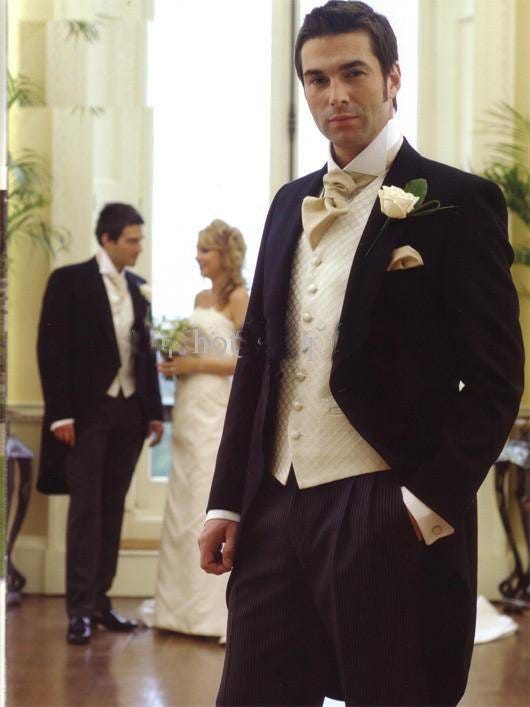
Belts aren't entirely appropriate for men even in informal wear. As Debrett's says
Belts should never be worn with suits. They will give the appearance of cutting you in half, ruining both the lines of the suit and your appearance. They also give people the impression that your trousers don't fit properly, which is hardly the sort of statement you'd wish to make.
Obviously the rules are different for women who can wear belts as decorative items. As with men, women's belts should not be used for holding garments up.
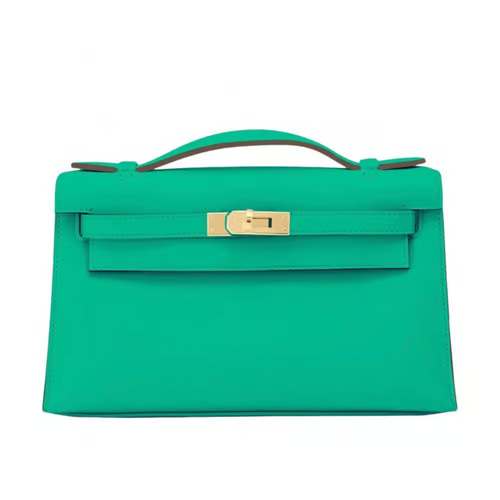
‘Where to put one's things?’ is one of the most pressing questions for formal dress, day or evening. This is one area where women have an easier time than men: women can carry a clutch, though nothing bigger than a clutch. Clutches are statement pieces in their own right, though they should complement the outfit and shouldn't be garish merely for the sake of shock. I always advise classic patterns or colors and preferably a vintage article. Louis Vuitton's Hello Kitty bag line is out.
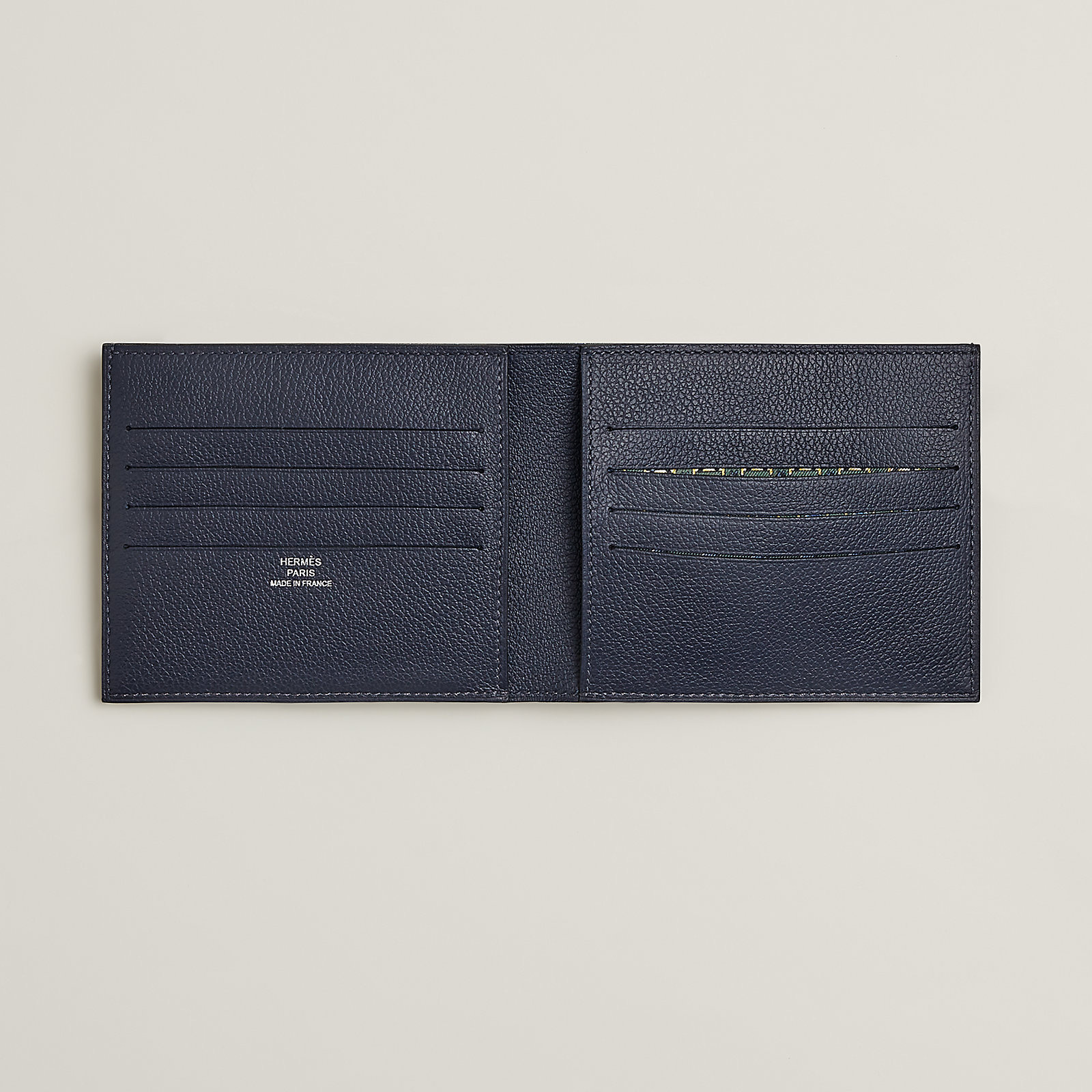
Men can carry a wallet, provided it is slim and unobtrusive. Wallets, by the way, do not belong in back pants pockets. If a wallet can't fit in the interior pocket of a dinner jacket or tail coat, the owner needs to find a new wallet, remove objects from his current one, or find a way to not carry anything at all. A male friend informs me that three-fold wallets are the problem. According to him, they're too thick. High-quality leather duo-folds without inserts are what to carry, he says. He also points out that for a formal event, a man's wallet shouldn't have anything more than ID card, perhaps one credit card, and enough bills for tips if culturally appropriate. No coins, no cash wad, no unnecessary plastic. There's a practical reason I didn't even think of: extra weight is hard on a jacket's fabric and over time can cause it to stretch which in turn could cause unsightly bumps or wrinkles, as well as potentially causing the jacket to hang awkwardly.


Men aren't supposed to wear jewelry as part of formal dress, excluding wedding or signet rings, tie pins, and cufflinks. Cufflinks aren't really accessories if the dress code is morning dress or white tie as shirt sleeves won't have buttons at all. So the only way to keep cuffs closed is with cufflinks. If the dress code is black tie in the evening or stroller suits during the day, then it is acceptable to wear a shirt with button-closures on the cuffs.
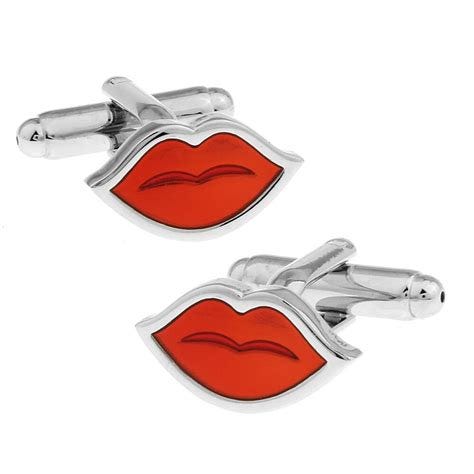
Allowed individualistic branding are military or institutional affiliation cufflinks. These, in turn, can be a bit of a minefield. The rules on military cufflinks vary nation to nation, and even regiment to regiment. I'm aware that some militaries view wearing regimental cufflinks as offensive if the wearer didn't serve himself, even if he inherited them from someone who did. Institutional cufflinks are meant to be worn only be people who attended the institution. There's no way of enforcing that, though.
School ties are operate on the same honor system, yet barrister Gary Bell, originally from the Nottingham slums, recounted in his memoir Animal, QC that he bought an Eton tie from their gift shop and started wearing it as part of promoting himself as an old Etonian. (It wasn't out of dishonesty; he had some university friends who were old Etonians and they thought it'd be fun to do a Harry Higgins on Bell.)


In the US, institutional affiliation extends to parents and children of the attender, as part of the infamous legacy system. In reality, the legacy system isn't the horror the media cracks it up to be. To claim legacy standing, a family has to send a child or grandchild once every three generations, or they lose their place. I've been reliably informed, as well, by people who work in Ivy League admissions that legacy standing only means that if they have two candidates with equally strong CVs, academic performances, writing samples, and essays, then they choose the person with prior connections. One of my contacts said that in almost two decades, she could count on one hand the number of times that legacy was the deciding factor. In terms of formal dress, I'm not sure that familial extension applies to British or European institutions when it comes to wearing branded items.
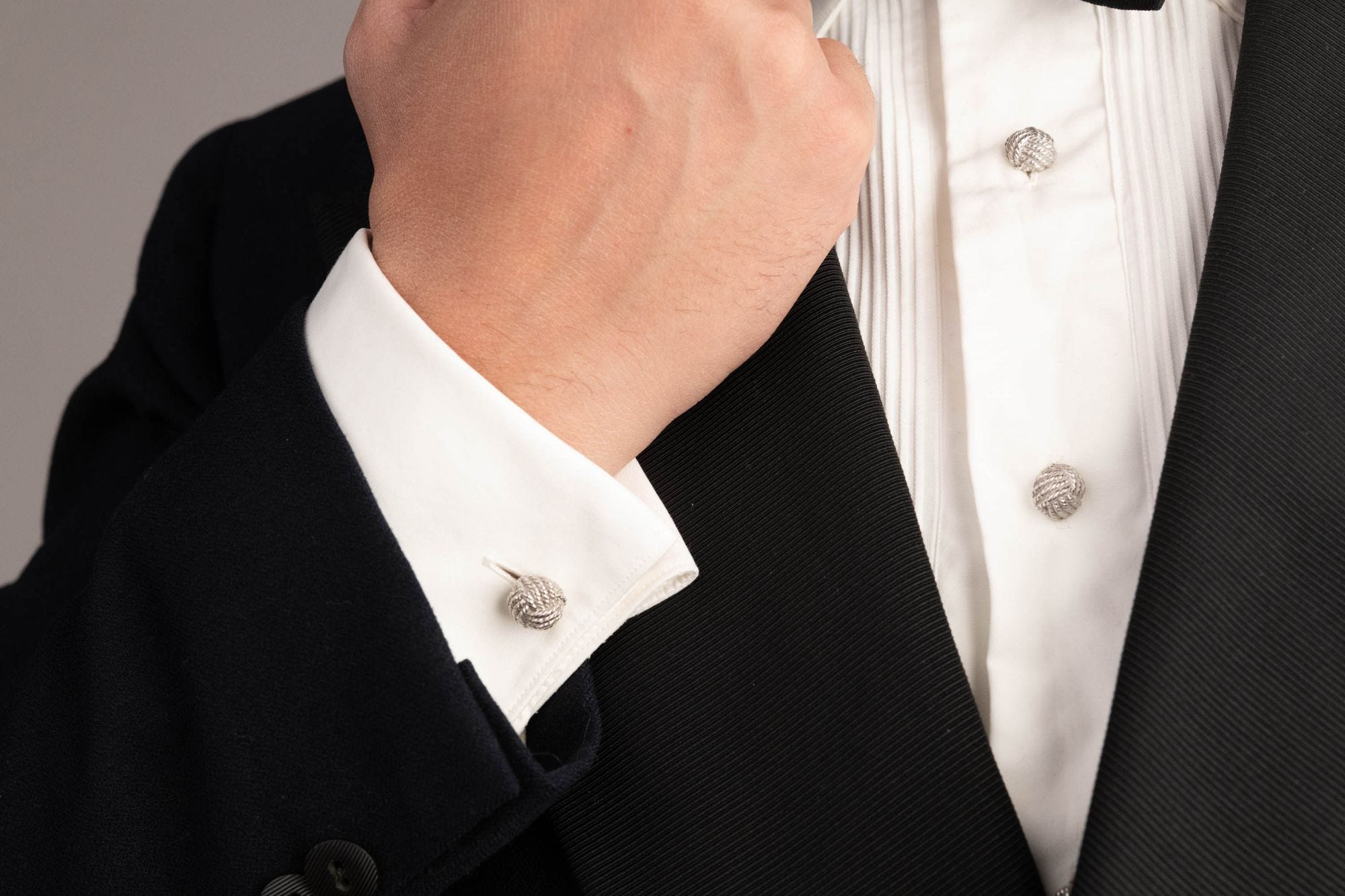
Shirt studs, like cufflinks, are less accessories for white tie and more necessities. Full dress shirts don't have buttons, so shirt studs are the only way to close the front. As with cufflinks, shirt studs are not an opportunity for a man to be cute or showy. They should be discreet and match the fabric of his shirt. While they can be made of gemstones or precious metals, if they are so large and gaudy as to look like a man has tacked women's earrings onto his shirtfront, the studs are wrong. Traditional mother of pearl studs are always a safe bet. Shirt studs aren't meant to draw the eye to the shirtfront, lest the viewer remember that a shirt can be unfastened, similar to the way braces are hidden so that viewers don't remember that trousers can come down.
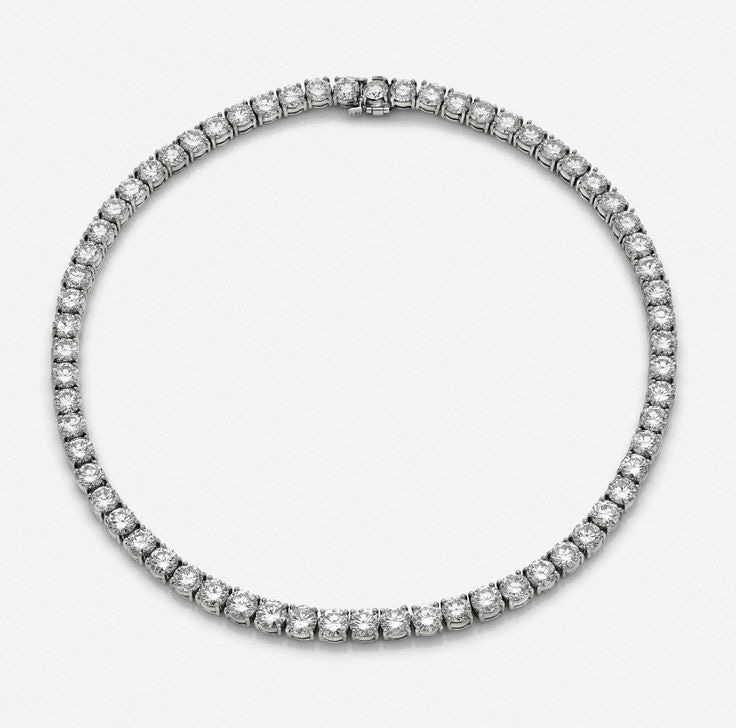
For women, jewels are required accessories with evening dress, but not with morning dress. There are few rules related to women's jewels, outside of that diamonds are for evening, unless there is a state occasion, which would then require diamonds as they are the most formal of jewels. Obviously, wedding and engagement rings are exceptions. There used to be a rule that women were not to wear diamonds, especially diamond rings, until they married, but this seems to have fallen by the wayside. There are some style traditions, e.g. necklaces go with lower necklines, no bracelets if wearing long evening gloves, massive hoop earrings aren't appropriate. Otherwise, choice of jewels and types is up to individual women.
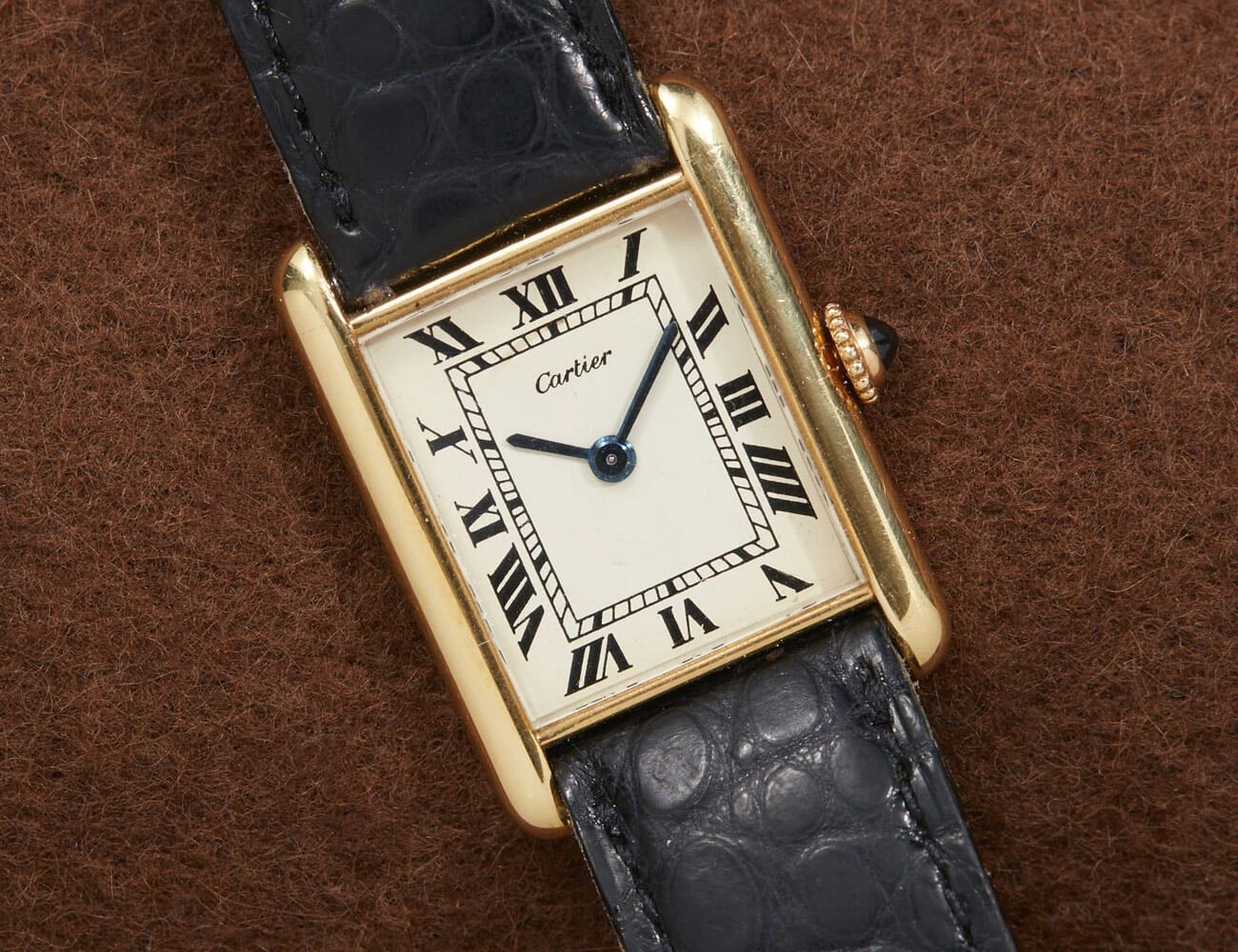
The Cartier’s classic tank watch is customarily a ‘dress’ watch. Yet, when the tank watch first appeared in 1917, watches weren't supposed to be worn with formal dress at all. The relaxation of dress codes to allow men to wear watches with formal dress came from the needs of a militarised society; men needed to know when they had to return to their bases or posts. Therefore a new hierarchy evolved which decreed a pocket watch was more formal than a wristwatch. Since the end of World War I, men and women can wear watches with morning dress. That said, for the most formal daytime events, such as Royal Ascot, it's not encouraged for women to wear watches, though dress codes do allow it. Women aren't supposed to wear watches at all with evening dress. Men can wear watches with black tie but not with white tie.
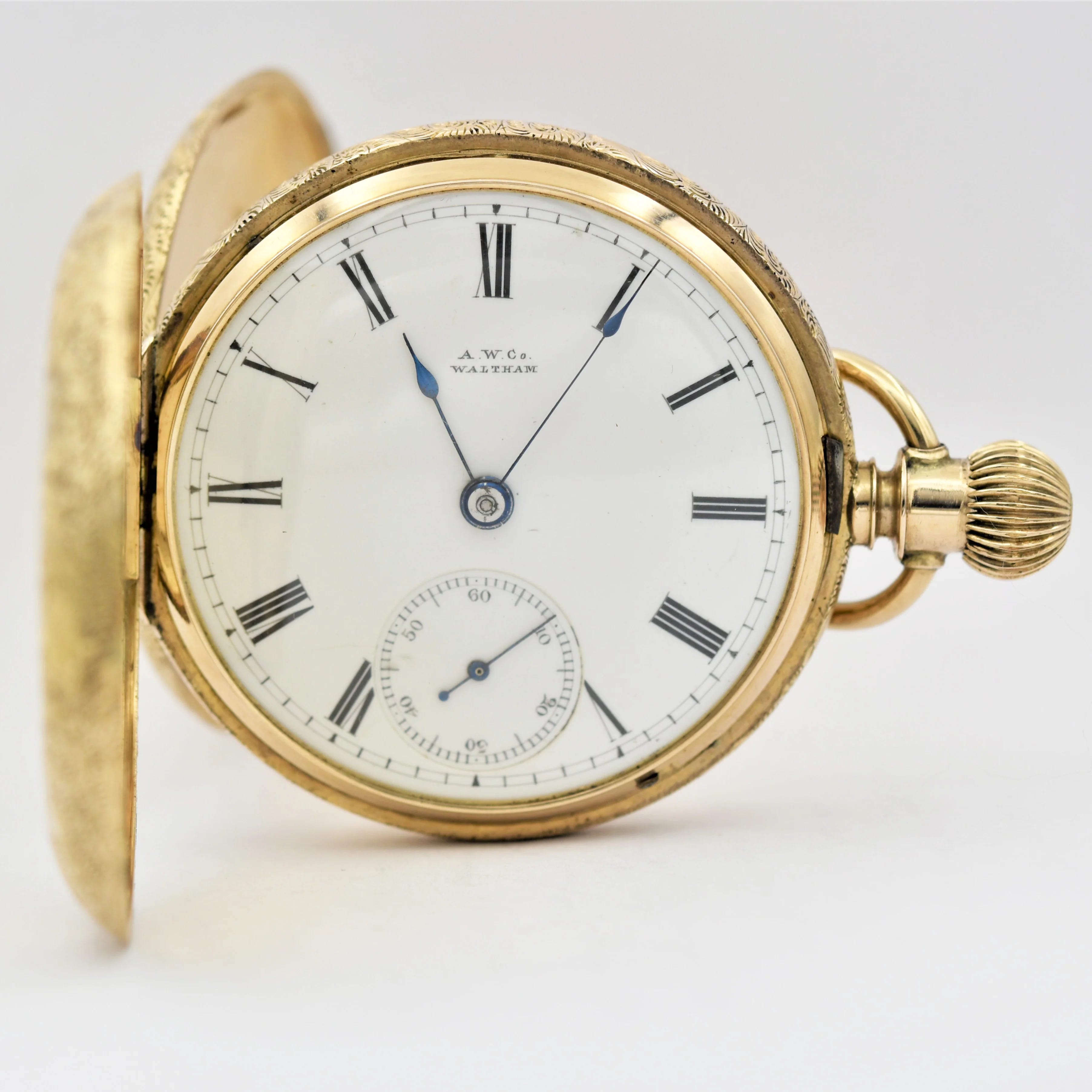
Although men can wear watches with black tie, it is still borderline rude, as a watch suggests the man is not paying attention to his guests, if he is the host, or his host, if he is the guest. However, as time awareness is a necessity of life, The Gentleman’s Gazette has some useful tips to mitigate the rudeness. Here are a few of their recommendations:
Carry a pocket watch instead of wearing a wristwatch if possible.
Roman numerals are more formal than standard numbers.
Wear a wristwatch on the left wrist so that it doesn’t show when shaking hands.
A formal wristwatch should be small and unobtrusive — no glowing faces, no gaudy finishes, and NO alarm noises.
The Gentleman’s Gazette also has a page on finding a good dress watch for daytime wear. The page has good information, though I personally think the author skirted a little too close to confusing cost with taste in a couple of the example watches shown.
Happy Sunday!
MLD