
[Republish] Formal wear
Evening Dress

This issue is the second of a three-part series I wrote on formal dress codes. As I was still publishing on Ghost when I wrote this piece, new subscribers will probably not have had a chance to read it.
Continuing the recommendation from a loyal reader to review formal dress codes as part of the holiday season, I’m republishing this issue on formal dress codes for evening events.
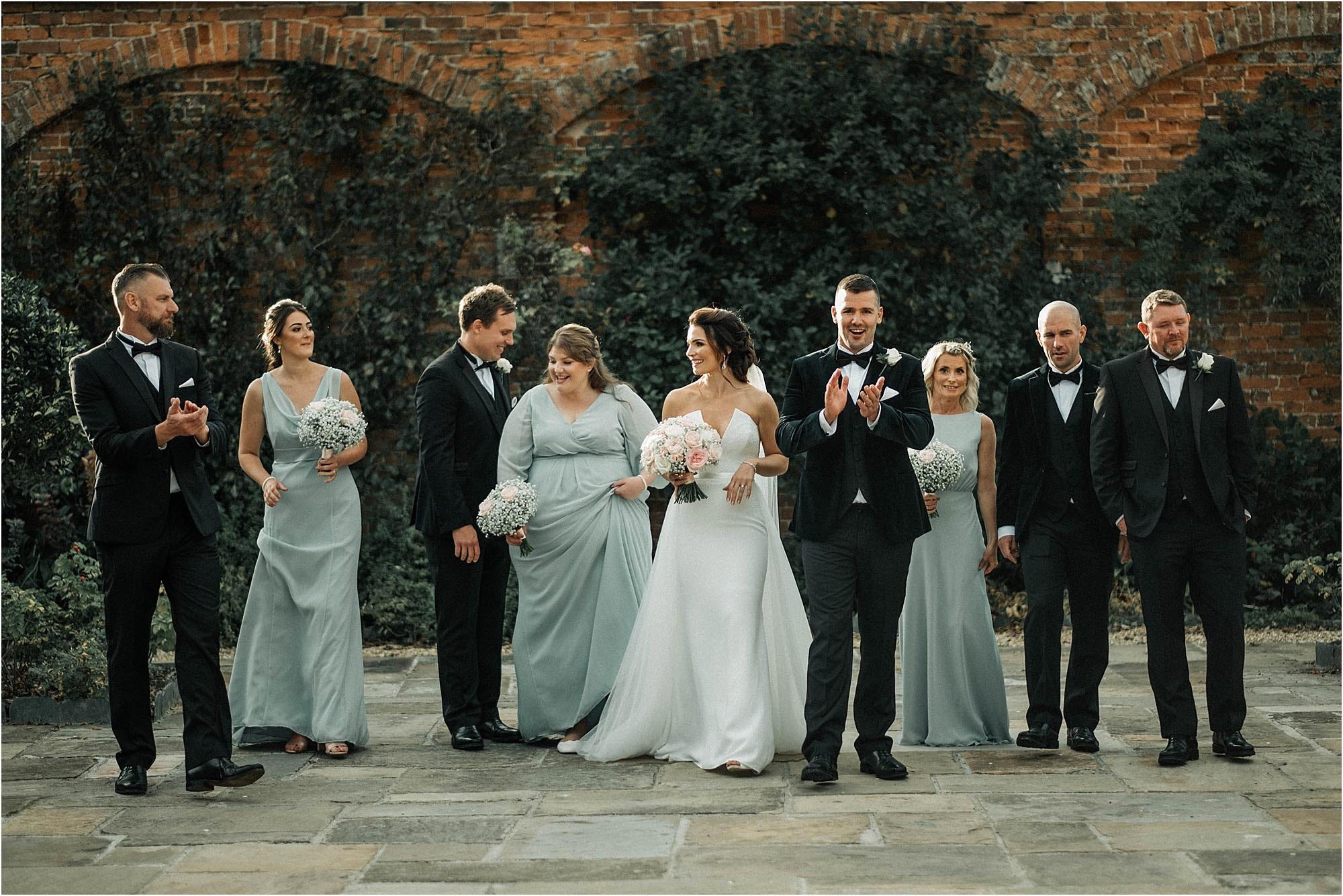
The first and most fundamental rule to know about evening formal wear is that Hollywood always gets everything wrong. Time of day, occasion, accessories, even cut or style will almost invariably be wrong if evening dress is shown in a movie or tv show. To further observe in the picture above: the men's trousers are wrong: pant legs, male or female, should not bunch around the feet – because they shouldn't drag in any mud the wearer might encounter.
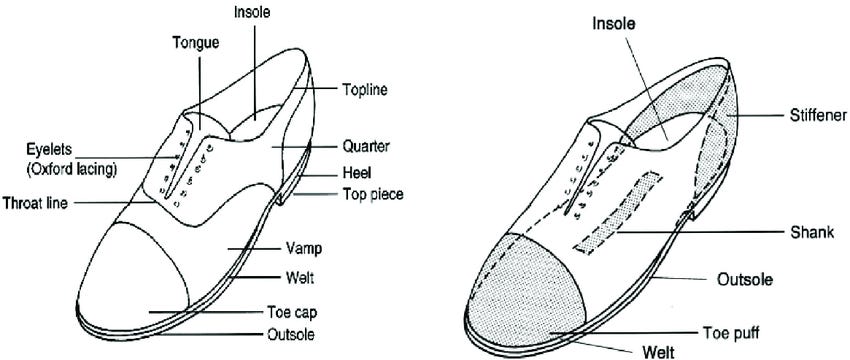
With formal wear, women can get away with wearing higher heeled shoes to accommodate their trousers (yes, it is permitted for women to wear long dress trousers for evening events), but men must have their trousers shortened if necessary. A useful rule is that the bottom of a man's trousers should just cover topline of a man's formal shoe when he is standing.
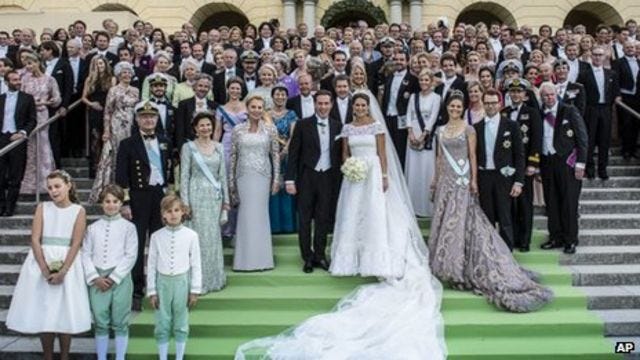
The Swedish royal family, friends, and courtiers in the above photo appear to be wearing evening dress at a daytime event, but they aren't. Their clothes are formal dress for the Swedish court. Photos like these are probably the inspiration for Hollywood costume designers who look at them and then get the wrong end of the stick. If you read my previous issue on daytime morning wear, you'll know that the Swedish court's clothes are a variant of morning dress.

As a member of college, I'm required to wear a postgraduate gown over my dress for any events at St Hilda's. If I'm a guest at another college, I'm not required to wear my academic dress, though it is preferred that members of the university do. As my guest, my friend didn't wear a gown. Events after 6:00 PM are usually black tie. Occasionally there are white tie events, such as balls.
Black tie is informal evening wear. For a man, he only needs black trousers, shoes, a white shirt, a black bow tie, and a dinner jacket. A cummerbund isn't necessary. The cummerbund originated in Victorian England, but it has since fallen out of favor and is now associated with American tuxedos, which, by the way, should never be called a "tux." Outside of the cummerbund, there's no difference between a tuxedo and dinner dress/black tie. It's just the name.
A woman can wear whatever she likes for black tie within reason. The only restriction is that if she wears a skirt or dress, it should come at least just above the knee. Black tie events are semi-formal, so she shouldn't look like she's going clubbing. She doesn't have to wear black. There's a lot of confusion on this one when girls first arrive at Oxford. She can wear colorful dresses or tops, but not a hat (unless she's military and in uniform); hats are for daytime events. The term black tie is based solely on the tie color a man has to wear.
White tie means evening dress. For a man, this means black trousers, shoes, white waistcoat, shirt, shirtfront, studs, cufflinks, and of course a white bow tie. For a woman, the rules are floor-length dress, ideally in a silhouette-flattering cut. She does not have to wear high-heels, though it is customary. If she wears a sleeveless dress, she is supposed to wear evening gloves, as Michelle Obama correctly demonstrates in the photo below.
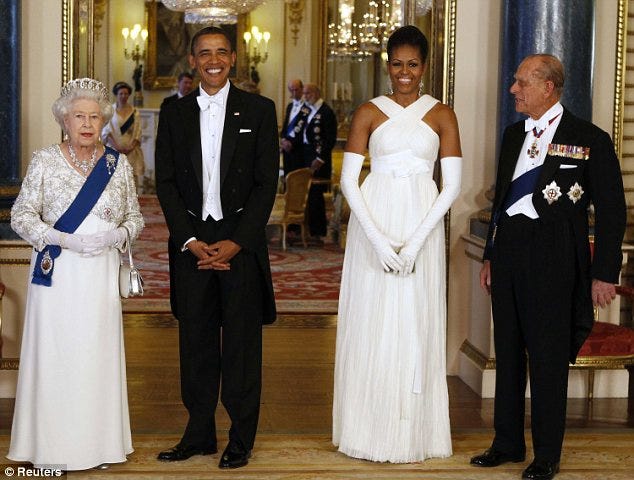
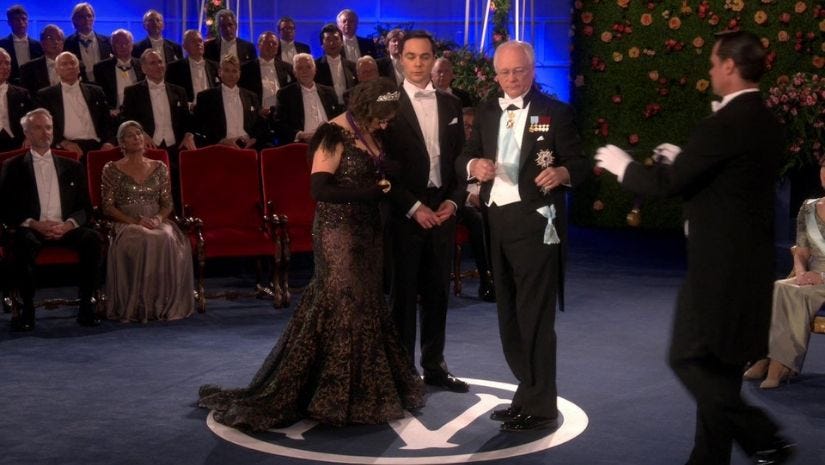
The Queen appears to have worn shorter length gloves since her dress had sleeves. A rule of white tie is that all married women, regardless of rank, are supposed to wear a tiara in the presence of royalty. The first ladies of democratic countries are exempt from this rule since there is awareness that if a first lady wears a tiara, doing so can be mistaken for her wearing a crown. In a rare instance, Hollywood did get this rule right in The Big Bang Theory show finale when Mayim Bialek's character, Dr. Amy Farrah Fowler-Cooper, wore a tiara to receive the Nobel Prize.
Events involving royalty are supposed to be exclusively white tie. The British royal family has made an exception after World War II of allowing events involving them to be black tie. Lady Colin Campbell dedicated an entire episode on her YouTube show to explaining the history of the change. What happened was that Queen Mary, the current queen's grandmother, bought the Romanov family jewels when the Russian cousins arrived in Britain as refugees. It was a way of helping them without giving them a handout. However, this meant that the Romanov cousins didn't have the right accessories for the court events they were invited to attend as members of the extended family. The solution was to work out a compromise: the Romanov cousins can borrow the jewels when they need them, and British court events are black tie affairs by special dispensation. Obviously, state events, such as the Obama visit to the UK, continue to be white-tie.
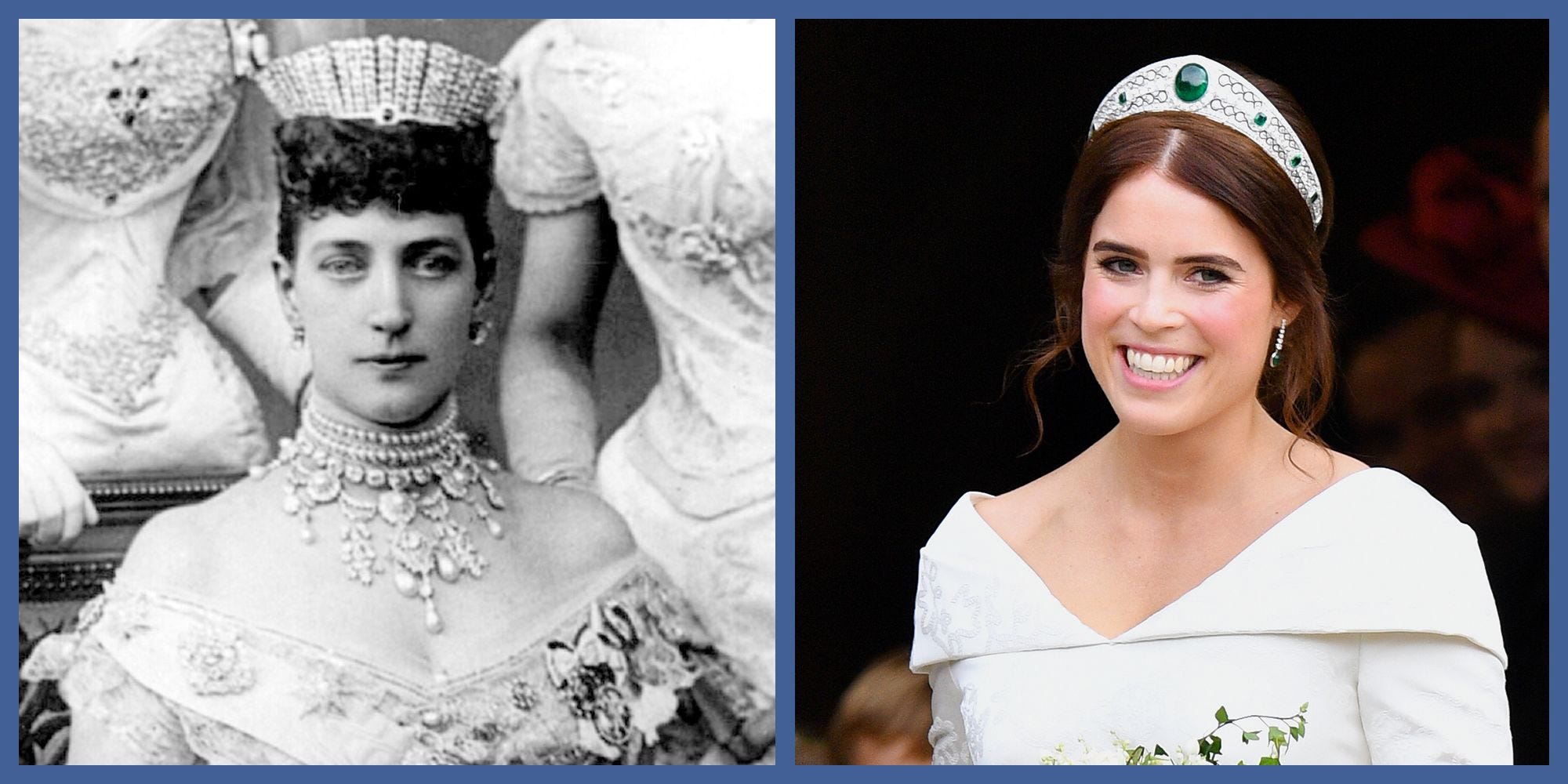
Normally as part of white tie accoutrement, tiaras are evening dress. However, for royal weddings, they are worn by the bride during the day as part of the symbolism of marriage. Only the bride wears a tiara, of course. It would be most incorrect for any other woman, even the queen, to show up wearing a tiara. Naturally, Hollywood got that rule wrong by having Mayim Bialek's character wear her tiara to her friend's wedding:
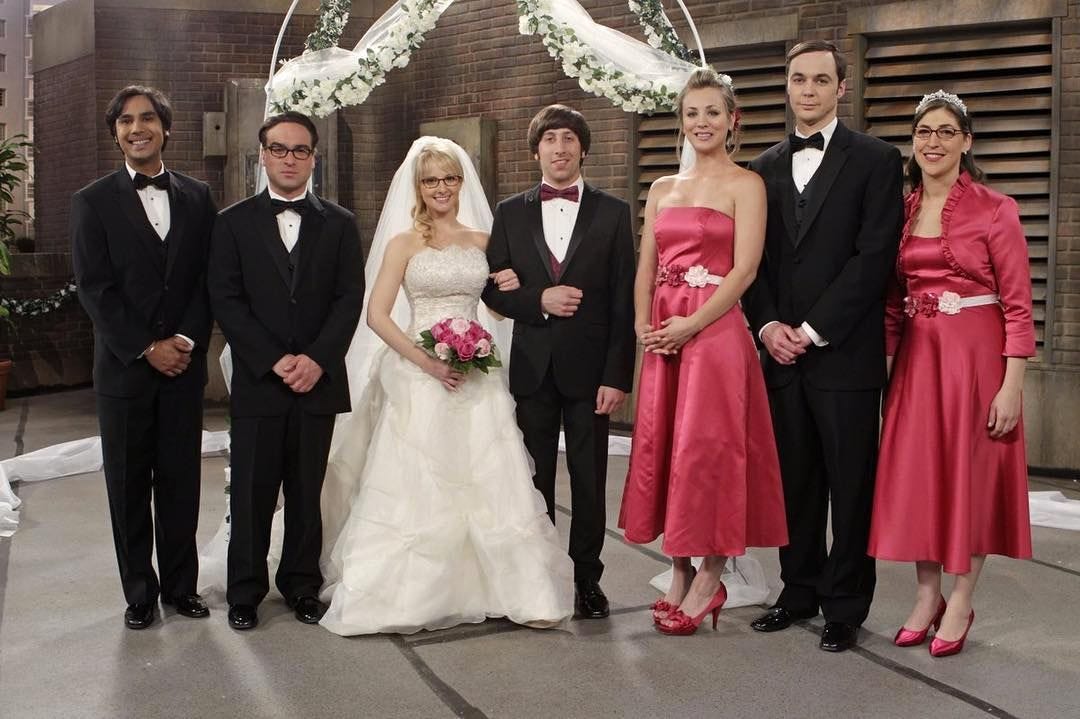
Evening wear is much more restrictive for men than for women. They are not supposed to wear colors of any sort. So Howard's colored bow tie and waistcoat are wrong! At private semi-formal events, such as club dinners, there is tolerance for colorful ties or waistcoats. Indeed, I've helped friends pick out colorful bow ties, but skirting the rules like that is for private events only. I would never recommend wearing a colorful bow tie for any event, such as formal hall, where a person might be accused of being ignorant of the rules.
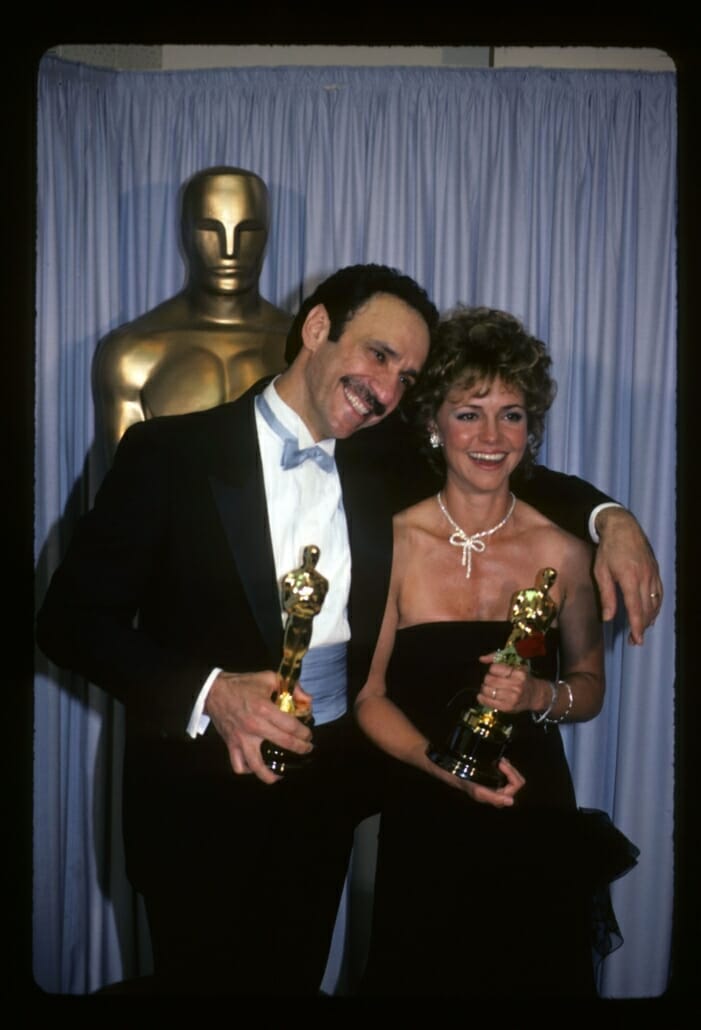
Blue bow tie and cummerbund? Not appropriate! The reason is that evening wear is supposed to be about the women, their dresses, and their jewels. Men are merely supposed to be the backdrop against which the women are seen. So, Sally Field (?) dropped the ball by not wearing something which was colorful and the man in the blue bow tie committed a faux pas by wearing something which took viewers' eyes off her!
There is one prohibition women have to honor for evening dress: only wear ballgowns to balls. The difference between the two dresses appeared only after the French Revolution. Prior to that there was court dress, which varied court to court.


The most obvious difference between the two dresses is the skirt. Ballgowns have full skirts for swirling around on a dance floor. The evening dress' long, simple skirt makes it appropriate (and comfortable) for any evening event or space. The fitted bodice is part of the components of a ballgown but can also be part of an evening dress.
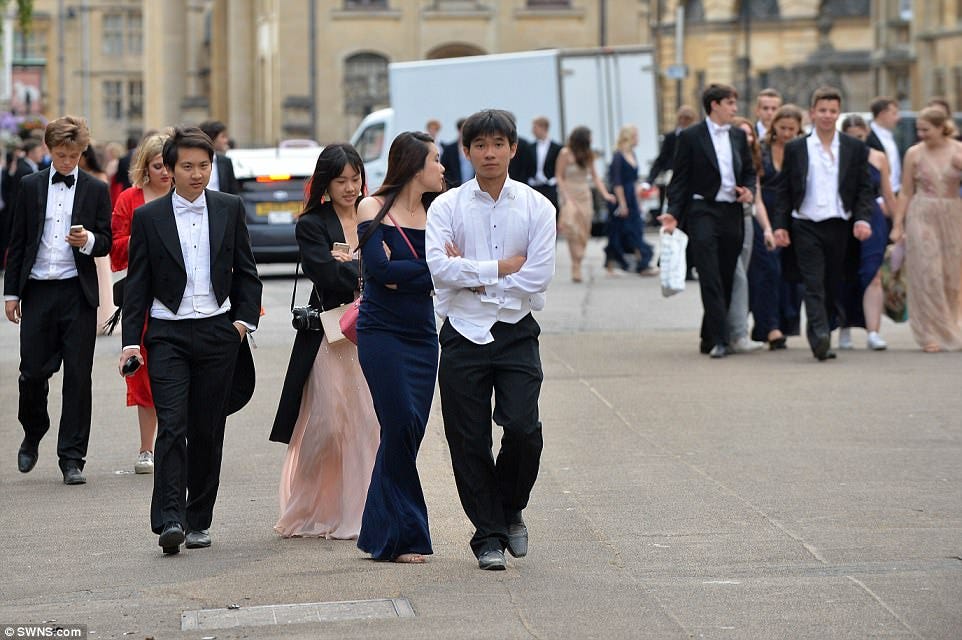
(The young man in focus isn't improperly dressed. He's given his coat to the second woman behind him.) Balls are white tie events. So when the Duke and Duchess of Sussex visited the Intrepid Museum in New York in 2021, they were not on the same page:
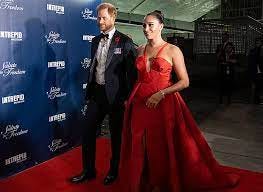
The duke is wearing black tie, yet the duchess is in a ballgown. The other attendees wore black tie, so the event was black tie. Therefore, a ballgown wasn't appropriate. The rule is that a woman may choose to wear an evening dress when she could wear a ballgown; she may not wear a ballgown when she's supposed to wear an evening dress.
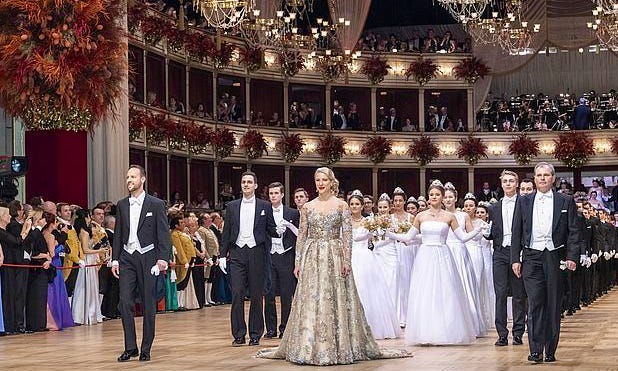
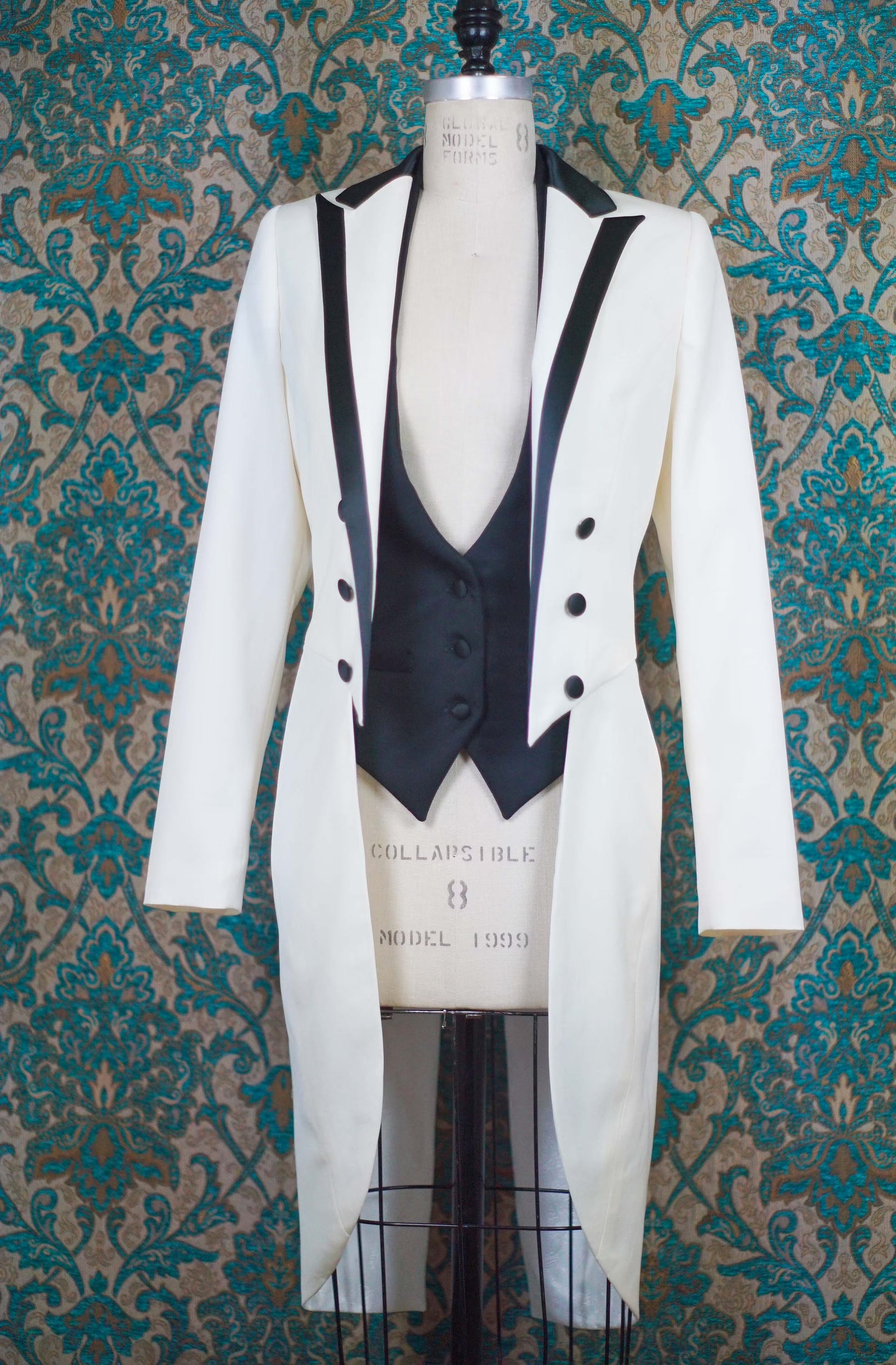
Evening wear funny story: Once, back in high school, my sister was in an all-girl chamber ensemble whose coach tried to convince them that wearing white tie – shirt, shirt front, white bow tie, and tailcoat – on top and a black skirt on the bottom would be "classy." The suggestion was so bad that even a pack of high school girls didn't buy it.
Happy Sunday!
MLD
P.S.
Happy Sunday!
MLD